The Importance of Electronics Recycling Can Benefit Companies Achieve Sustainability: Responsible Practices for Business Leaders
Electronics recycling opens a significant opportunity for businesses seeking to elevate their sustainability programs. By overseeing e-waste properly, companies can reduce their environmental consequences and recover valuable resources. Additionally, incorporating these techniques can strengthen brand reputation among conscious consumers. Nonetheless, several organizations may disregard the complexities encompassed in instituting a successful waste management system. Mastering these particulars is crucial for steering the trajectory toward sustainable enterprises and realizing long-term outcomes.
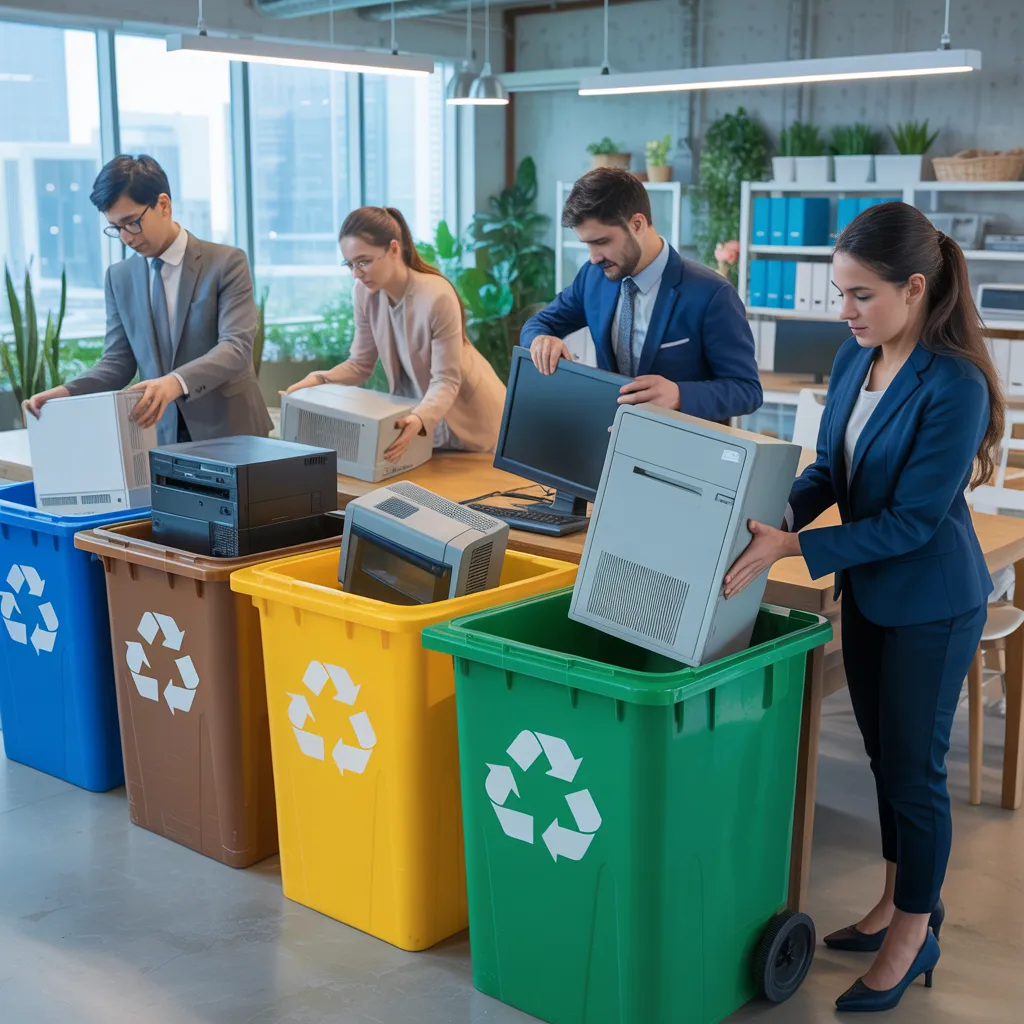
The Significance of Electronics Recycling for Companies
Although many businesses may ignore the significance of electronics recycling, it plays an critical role in advancing sustainability and decreasing environmental impact. As technological progress increase, companies frequently update their electronic equipment, resulting in a expanding volume of e-waste. Proper recycling ensures that precious resources are recovered, reducing the demand for new resource extraction and conserving energy.
Moreover, taking part in electronics recycling can improve a company's reputation. Consumers more and more favor businesses dedicated to sustainable practices, and demonstrating responsibility in managing e-waste can attract environmentally conscious customers. Compliance with regulations regarding electronic waste also shields businesses from potential legal liabilities and fines.
Additionally, waste reduction can generate financial advantages. By carefully handling aged electronics, companies can decrease waste disposal fees and gain financial value from recyclable materials. Overall, implementing electronics recycling is not simply an responsible choice; it is a strategic business decision that corresponds with modern sustainability goals.
Ways Electronics Recycling Minimizes Environmental Effects
Electronics recycling serves a essential role in reducing environmental consequences by conserving natural resources and minimizing e-waste pollution. By extracting valuable materials, this approach supports the advocacy of circular economy guidelines. As organizations engage in responsible recycling, they participate to a more green future.
Conserving Natural Resources
Recycling electronics considerably aids the preservation of natural resources by reclaiming valuable elements. Many electronic devices contain valuable metals such as gold, silver, and palladium, which are extractable and reusable. This process lowers the necessity of mining, a resource-heavy operation that depletes ecosystems and uses significant energy. Moreover, recycling assists in recovering rare earth elements that are necessary in manufacturing new technologies. By diverting electronic waste from landfills, businesses not only reduce the environmental impact of resource extraction but also promote a circular economy. This sustainable habit allows companies to reduce their carbon footprint, lower production costs, and champion environmental stewardship, ultimately fostering a healthier planet for future generations. Through responsible recycling, businesses can pioneer conserving essential natural resources.
Lowering E-Waste Pollution
A substantial portion of international waste consists of electronic devices, causing increasing environmental pollution. Improper disposal of e-waste emits hazardous materials, such as heavy metals and toxins, which pollute soil and water sources. Electronics recycling lessens these risks by ensuring that harmful components are processed safely and responsibly. By repurposing materials like metals, plastics, and glass, recycling reduces the need for new resource extraction, further reducing environmental harm. Furthermore, recycling programs help the responsible disposal of discarded devices, helping businesses comply with environmental standards. By engaging in electronics recycling, companies not only lower their carbon footprint but also promote a healthier ecosystem. This forward-thinking method exhibits corporate responsibility while effectively dealing with the urgent problem of e-waste pollution.
Advancing Circular Economy Strategies
Implementing efficient e-waste recycling programs plays an critical role in promoting circular economy principles. By recycling electronic waste, companies can considerably decrease the need for virgin resources, thereby preserving natural resources and reducing ecological harm. This process promotes the repurposing of precious materials, extending the lifecycle of goods and reducing the volume of e-waste sent to disposal sites. Additionally, by implementing sustainable business models, organizations can improve their corporate image and comply with market demand for sustainable practices. Emphasizing responsible recycling also encourages innovation in product design, inspiring producers to create devices that are easier to disassemble and recycle. Ultimately, integrating electronics recycling into corporate practices contributes to a greener tomorrow, advantaging both the environment and the economy.
Primary Benefits of Electronics Recycling for Businesses
Electronics recycling provides significant benefits for businesses, primarily through cost savings and environmental impact reduction. By properly recycling outdated equipment, companies can minimize waste expenses and retrieve precious resources. Additionally, adopting recycling practices improves business ethics and encourages sustainability efforts.
Budget Reduction Options
Many organizations are uncovering significant cost reductions through efficient e-waste recycling approaches. read the full story By adopting these programs, enterprises can reduce fees connected to e-waste, as recycling often is cheaper than landfill disposal. Additionally, valuable materials recovered from used electronics can be sold, producing revenue and offsetting replacement costs. Streamlined recycling processes also minimize storage costs for outdated equipment, opening up valuable office space. Moreover, numerous firms gain from tax incentives related to green practices, providing another dimension of financial advantage. In summary, embracing electronics recycling not only promotes corporate responsibility but also fosters economic efficiency, allowing businesses to allocate resources more strategically and improve their bottom line.
Cutting Environmental Consequences
A major reduction in environmental burden is one of the core benefits enterprises enjoy when they establish systematic device recycling programs. By recovering useful equipment, institutions can limit toxic debris, such as hazardous compounds and noxious waste, that can infiltrate terrestrial and marine environments. This not only plays a role in protecting environmental resources but also minimizes the emissions footprint stemming from constructing new devices. Additionally, handling conserves electrical power, as it often requires minimal electricity to refine recovered substances than to extract and treat untreated raw materials. As bodies roll out such methods, they advance circular business models, fostering environmental stewardship and preservation. Ultimately, responsible waste management permits organizations to strengthen sustainability image while serving the environment.
How to Design a Winning Electronics Recycling Method
Developing a successful e-waste recycling strategy necessitates meticulous planning and completion. Organizations should begin by examining their present e-waste disposal methods to identify areas for improvement. This evaluation should consist of an inventory of aging devices and an assessment of waste removal methods.
Next, organizations must establish distinct objectives for their waste reduction programs, which could encompass reducing waste, increasing recycling rates, or boosting environmental initiatives. Involving staff through training sessions cultivates a culture of environmental responsibility and promotes involvement in recycling initiatives.
Additionally, developing a timeline and budget is crucial for tracking progress and guaranteeing resources are allocated effectively. Regularly reviewing and updating the strategy based on feedback and evolving regulations helps sustain compliance and effectiveness. By incorporating these elements, companies can create a robust electronics recycling program that not only benefits the environment but also supports corporate responsibility and strengthens their green image.
Steps to Find the Correct Electronics Recovery Provider
How can a company guarantee its e-waste recycling vendor complies with its environmental objectives? Choosing the appropriate recycling partner requires thorough evaluation of their operations and certifications. Companies should seek partners who hold established certifications, such as R2 or e-Stewards, which verify adherence with sustainability standards.
Additionally, organizations should question regarding the partner recycling techniques, including the procedures for addressing hazardous materials and the percentage of materials recycled versus those placed in landfills. Accountability in data management and reporting standards is also important.
Furthermore, a solid reputation in the industry can be indicative of reliability; businesses may benefit from feedback and endorsements from other clients. Engaging in transparent dialogue about sustainability goals will help guarantee coordination. Ultimately, selecting a partner dedicated to ethical recycling practices can greatly enhance a corporation's overall green initiatives.
Debunking Common Misconceptions About Electronics Recycling
Many companies acknowledge the value of electronics recycling, but a number of myths linger that can limit successful practices. A frequent misconception is that all electronics can be thrown away in ordinary recycling bins. Actually, specific facilities are necessary to treat electronic waste safely. Another myth states that recycling electronics is too high-priced for businesses. In reality, a variety of recycling programs offer free or low-cost services that can ultimately save companies money by cutting waste disposal fees. Additionally, some believe that data security concerns make recycling too hazardous. However, reputable recycling partners provide certified data destruction services, making certain sensitive information is securely handled. Lastly, there is a idea that recycling electronics has minimal environmental impact. In truth, proper recycling substantially reduces e-waste in landfills and protects valuable resources. Debunking these myths is crucial for businesses aiming to adopt sustainable practices and benefit the environment.
Measuring Your Electronics Recycling Success
Businesses that effectively debunk myths about electronics recycling often find themselves enthusiastic to assess their progress. Tracking KPIs is important for reviewing the effectiveness of recycling efforts. Metrics such as the amount of e-waste recycled, the share of materials retrieved, and financial benefits can supply significant data.
Furthermore, organizations should evaluate their carbon footprint reduction and compliance to environmental regulations. Engaging staff through educational campaigns can also be tracked by engagement levels in recycling programs.
Integrating customer feedback can further enhance comprehension of the recycling program's results. Periodic audits and disclosure on these metrics not only demonstrate successes but also identify regions for refinement.
In the final analysis, a systematic approach to gauging electronics recycling success enables businesses to make data-driven decisions, cultivating a culture of sustainability that benefits both the environment and the organization.
Popular Questions Asked Often
What Types of Tech Products Can Be Reprocessed?
Numerous types of electronics can be recycled, including computers, smartphones, tablets, televisions, printers, and gaming consoles. These items frequently have valuable materials that can be repurposed, reducing waste and encouraging environmental sustainability.
How Often Should Businesses Recycle Their Electronic Devices?
Companies should properly dispose of their electronics minimally once yearly, or more frequently based on technological upgrades and equipment turnover. Routine recycling efforts guarantees efficient resource management and conformity to environmental regulations, promoting sustainability throughout the business.
What Costs Are Included With Electronics Recycling?
Yes, there are expenses connected to electronics recycling, encompassing gathering, transportation, and processing fees. However, these expenses can be counterbalanced by prospective reductions from reduced waste disposal and adherence to environmental regulations.
Could Processing Electronics Introduce Data Safety Risks?
Yes, recycling electronics can result in information security threats if proper procedures are not kept. Confidential details may be carelessly revealed during the recycling process, demonstrating the necessity of confidential data elimination processes before throwing away.
What Qualifications Should a Recycling Partner Have?
A trusted waste management provider should have credentials such as R2, e-Stewards, and ISO 14001. These qualifications guarantee adherence with sustainability guidelines, cybersecurity standards, and sustainable disposal methods, protecting both the environment and confidential data.